Why Your Garage Door Shuts Then Reopens: Guide to Repairs
A garage door that closes then opens is usually indicating a mechanical or safety issue. The opener detects resistance, an interrupted sensor beam, incorrect travel limits, or an unbalanced door and reverses before the door can fully close. This behavior helps protect people, vehicles, and property, but it also means your garage door may not be safe to operate until the cause is identified.
This guide explains the most common reasons an overhead garage door reverses, which checks are safe to perform yourself, and when professional garage door repair is the better choice. It also covers garage door repair cost and service considerations for homeowners in Los Angeles.
Why a Garage Door Shuts Then Reopens
Most modern systems use a garage door opener with programmed travel limits and automatic safety reversal. The opener observes the door while it moves down. If it senses unusual resistance or receives a signal that the safety beam is interrupted, it opens the door.
The most frequent causes include dirty or misaligned sensor eyes, an obstruction along the door tracks, a door that is too heavy, or incorrect travel limit settings. If the opener believes the door has reached the floor before it actually has, it may reverse. If it believes the door is hitting an object, it may also reopen.
A door that opens before reaching the floor often points to a sensor or travel-limit issue. A door that reaches the floor and then opens may have a force-setting problem, a damaged bottom seal, a binding track, or a door that is not properly balanced. The exact timing of the reversal is useful diagnostic information for a technician.
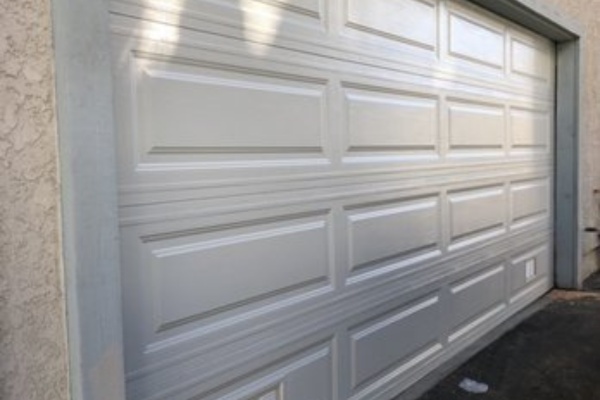
Frequent Causes of This Garage Door Trouble
Several factors can cause a garage door to reopen after it closes:
- Safety detectors: Dirt, direct sunlight, improper alignment, cracked lenses, or disconnected wiring can break the infrared beam.
- Garage door spring: A damaged or broken spring cannot correctly balance the door, causing excess strain on the opener.
- Garage door rollers: Worn, fractured, or jammed rollers can create resistance as the door descends downward.
- Garage door cables: Damaged or poorly tensioned cables can cause the door to sit unevenly or bind in the tracks.
Other contributing issues include a bent panel, a damaged weather seal, a loose chain or belt, a malfunctioning wall control, or an opener that is approaching the end of its service life. Do not assume that adjusting the opener is always the fix. A force adjustment can temporarily mask a mechanical fault and may create a unsafe operating condition.
Poorly Aligned or Interrupted Safety Sensors
Safety sensors are typically installed near the bottom of each side of the door opening. They use photoelectric sensors to create an unseen beam across the threshold. If that beam is obstructed while the door is closing, the opener triggers the garage door safety reversal feature.
Check whether anything is in the obstructed sensor path. Boxes, equipment, trash bins, yard debris, or even a vehicle parked too close to the opening can disrupt the beam. Clean both sensor lenses with a soft, clean cloth. Do not spray cleaner directly on the sensors.
Then, inspect sensor positioning. The sensors should point directly toward one another and be mounted at approximately the same height. A bump from a gardening tool, vacuum, bicycle, or storage item can shift one bracket. A flashing sensor light is often a sign that the beam is not being correctly recognized, although light patterns can change by opener brand.
Inspect the sensor wiring for obvious https://lagatemaintenancepro1-101-101-10.wordcanopy.com/posts/how-much-does-garage-door-repair-labor-cost-in-los-angeles damage, loose terminals, pinched areas, or corrosion. You can gently reposition a sensor bracket if it is obviously tilted, but do not bypass or disconnect the safety system. A garage door should never be operated with its safety sensors defeated. If cleaning and proper adjustment do not solve the problem, a professional should test the sensors, wiring, and opener logic.
Track, Roller, and Obstruction Problems
Inspect the garage door tracks from the floor to the top of the opening. Look for a bent track, loose mounting hardware, dents, gaps, or debris. Tracks guide the rollers and are not intended to be dramatically bent by homeowners. Attempting to straighten a severely damaged track can release stored tension or cause the door to fall.
Examine the garage door rollers for cracks, excessive wobbling, flat spots, or signs that a roller is coming out of its track. A worn roller can make the door loud and increase the force required to close it. Hinges and brackets should also be checked for looseness, but avoid removing any bracket connected to a spring or cable.
Check the threshold and garage floor for objects, raised sections, or buildup that could be mistaken for an obstruction. In some homes, an uneven concrete floor causes the bottom of the door to contact one side first. The opener may interpret this resistance as a safety event.
The weather seal at the bottom of the door can also become rigid, swollen, or displaced. In Southern California, dust and grit can collect around the threshold and tracks. Los Angeles's dry conditions may increase the need for cleaning and proper lubrication, particularly in older garages or detached structures. Do not use heavy grease on tracks; it can attract more dirt. A technician can determine the correct lubricant for rollers, hinges, and bearings.
Broken Springs, Cables, or Balance Issues
A garage door depends on springs to offset much of its weight. A broken torsion spring is mounted above the door, while an extension spring is typically installed along the horizontal tracks. Either type can weaken or fail with age.
Symptoms of a damaged torsion spring may include a noticeable gap in the coil, a sudden cracking sound, a door that feels unusually heavy, or an opener that opens the door partway. Extension springs may appear pulled out, split apart, or disconnected. A door with a faulty spring can close unevenly and reverse because the opener cannot support the load.
Door cables, also called lifting cables, transfer spring force to the door. Damaged, loose, or derailed cables are a major warning. Do not handle a cable, remove a spring, or attempt to wind a torsion spring. The stored energy can cause serious harm.
A simple balance check is appropriate only when the spring and cables appear in good condition. With the door fully closed, disconnect the opener using the manual release only if the door is stable and you can manage it. Do not perform this test if the door is tilted, hanging, or visibly damaged. A properly balanced door should move easily by hand and remain near a midpoint when lifted carefully. If it falls or feels unusually heavy, stop and arrange qualified repair.
Safe Checks Before Calling for Garage door repair
Start with the simple controls. Install the battery in the garage door remote if it works intermittently, and test the wall control panel. Determine whether the wall button is jammed, worn, or showing an warning indicator. Make sure the opener's light and diagnostic LEDs are operating properly.
Examine the photo-eye sensors and remove obstructions from the opening. Confirm that their lights are constant when the door is closed and the opener has power. Sweep away visible debris from the threshold, but do not place an object under the door to force it closed.
If the opener has no power, check the household circuit breaker and the outlet. Turn back on a tripped breaker only once. If it trips again, keep the system off and reach out to an electrician or garage door technician. Do not remove the opener housing or handle electrical components unless qualified.
Use the manual release cord only when needed and only if the door is safely supported. Never release a heavy or damaged door and leave it unsupported. Do not attempt changing force settings, travel limits, springs, cables, or track hardware as a do-it-yourself experiment. These adjustments affect the door's reversal safety and stability.
When to Call a Garage Door Repair Technician
Seek professional garage door assistance if the door stays open, reverses once you complete sensor cleaning, produces grinding or popping sounds, appears misaligned, or has a broken spring or cable. You should also schedule help if the door is difficult to lift manually or the opener repeatedly shuts down.
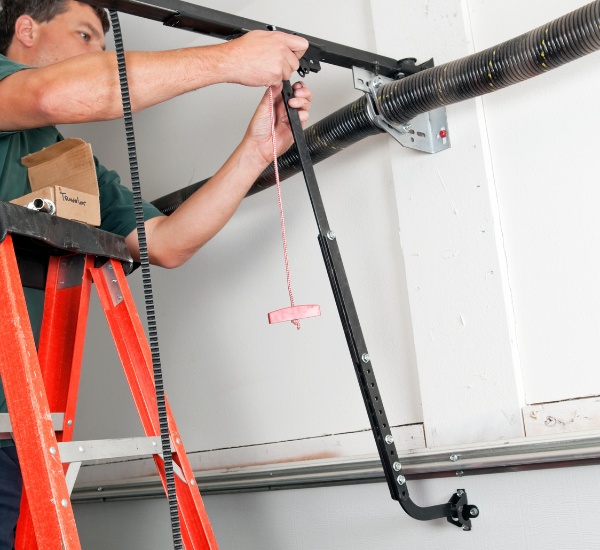
Searches such as “ garage door spring replacement near me” can help identify local providers, but check credentials before hiring. A licensed technician should be able to examine the complete system, including the overhead garage door, springs, cables, rollers, tracks, hinges, sensors, and opener.
Professional help is especially important for older Los Angeles homes, detached garages, and converted garage spaces. Wiring may have been modified over the years, and an older door may not be compatible with a newer opener without extra repairs. Accurate inspection of the door balance, wiring, mounting points, and opener compatibility reduces repeated breakdowns.
Ask whether the company offers same-day garage door repair, emergency service, and written estimates. Same-day availability and travel charges can change throughout Los Angeles County. A company serving Downtown Los Angeles may have varying response times and charges than one traveling to the San Fernando Valley, the Westside, or Long Beach.
Garage door repair Rates and Rates in Los Angeles
Garage door repair pricing depends on the damaged component, the door's size and weight, accessibility, parts availability, and whether service is scheduled after normal business hours. Garage door repair pricing may include a diagnostic or service call fee, labor, replacement parts, disposal, and any emergency or travel charge.
EM Garage Doors And Gate Service Inc19629 Cantara St, Reseda, CA 91335
(818) 919-0785
https://emgaragedoorsandgateservice.com/
https://maps.app.goo.gl/XujLWxA4pAQKARQT8
34.2193569, -118.5613022
Ask for a written estimate that distinguishes labor from parts. Check whether the quote includes testing the safety reversal, balancing the door, adjusting travel limits, and removing old components. A low initial price may not include necessary replacement parts or extra work discovered during inspection.
How Much Does Garage door repair Cost?
Minor work, such as sensor cleaning, sensor alignment, lubrication, or tightening accessible hardware, is generally more affordable than replacing major components. The garage door spring cost varies according to spring type, door weight, cycle rating, and whether one or both springs should be replaced. Torsion spring work typically requires specialized tools and careful balancing.
The garage door opener installation cost depends on the opener model, horsepower, rail configuration, electrical access, battery backup, remotes, and removal of the old unit. The total labor cost may rise when the existing opener is incompatible with the door or when a detached garage requires more wiring.
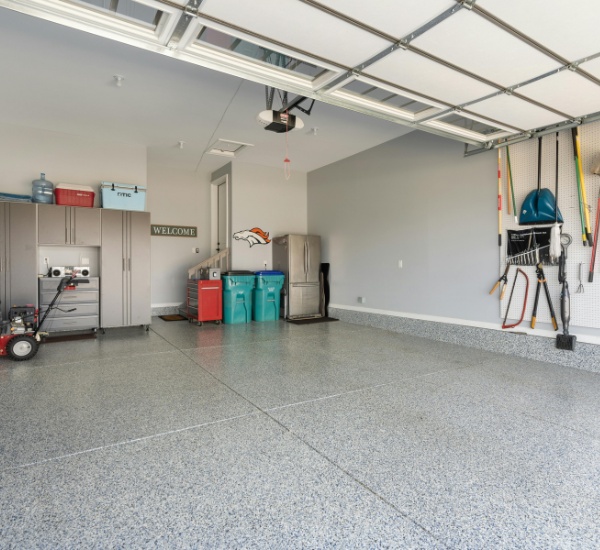
Because local conditions vary, a reputable Los Angeles company should inspect the door before giving a firm price. Confirm warranties on both labor and replacement parts. Verify whether the service call fee is credited toward approved repair work and whether evening, weekend, or emergency garage door repair has a separate rate.
Repair Versus Garage Door Replacement
Repair is often more economical when the frame, sections, tracks, and hardware are in good condition. Replacing a spring, roller, cable, sensor, or isolated garage door panel can bring back reliable operation without replacing the entire system.
A replacement may be more practical if more than one panel are damaged, the door has extensive rust, the tracks are seriously warped, or the opener and door are both past their service life. Compare the garage door replacement cost with the anticipated price of frequent repair work. Insulation, wind resistance, design, and long-term maintenance should also be considered.
Homeowners commonly ask about 2 car garage door replacement cost or two car garage door replacement cost. A two-car door is larger and heavier, so its price can be significantly different from a single-car door. The final estimate depends on the material, insulation, windows, hardware, removal, installation, and local labor. A panel replacement may be practical when damage is limited, but a full replacement can be more cost-effective when several sections or the supporting hardware are failing.
Searching for Garage Door Repair Near Me in Los Angeles
For garage door repair near me in Los Angeles, hire a licensed garage door technician with valid insurance, clear business information, and local reviews. Ask for a written diagnosis, line-by-line estimate, warranty terms, and expected arrival window. Make sure that the technician is authorized to perform spring work and that the company will test the safety reversal after finishing repairs.
Response times and travel fees vary across Los Angeles County. Downtown Los Angeles, the San Fernando Valley, the Westside, and Long Beach may have different technician availability, traffic delays, and service-area charges. If you need same-day garage door repair, ask whether same-day service is promised or simply provided when a technician is available.
Southern California's dust, grit, and dry conditions can impact photo-eye sensors, tracks, rollers, hinges, and lubrication. A qualified local company should consider these conditions rather than replacing parts without checking the underlying cause. Many Los Angeles properties also have detached garages or converted garage spaces, where wiring, framing, and opener compatibility require closer inspection.
How to Prevent the Door From Reversing
Consistent garage door upkeep can reduce unexpected reversals. Keep the sensor lenses clear and make sure the sensor brackets stay aligned. Inspect the door for abnormal gaps, noise, vibration, cable slack, and uneven movement. Remove dirt from the threshold and track area without pushing dirt into the rollers.
Use suitable lubricant on hinges, bearings, and roller surfaces in line with the manufacturer's instructions. Refrain from heavily oiling the tracks because grease can collect dust and create more resistance. In Los Angeles, regular cleaning is particularly useful during dry periods with dust.
Do not adjust force adjustments simply to make a failing door close. Excessive force can affect the opener's safety reversal. Travel limits should be set so the door comes down firmly against the floor without damaging the weather seal. A technician can handle these settings while examining balance and mechanical resistance.
Schedule a preventative checkup when the door becomes noticeably louder, slow, uneven, or difficult to operate. Preventive maintenance is less disruptive than waiting for a spring, roller, cable, or opener to stop working altogether. Verify the safety reversal only as directed by the opener manufacturer and do not let children or pets near a moving door.
Common Questions
What makes my garage door shut completely before reopening?
The opener may be detecting resistance from a dirty sensor, poorly aligned track, worn roller, stiff weather seal, or incorrect travel limit. A damaged or broken door spring can also prevent the door from closing properly. Check and clean the safety sensors first, but call for garage door repair if the door is difficult to lift, uneven, noisy, or still reverses.
How can I fix garage door safety sensors that are misaligned?
Remove anything from the area between the sensors, wipe both lenses, and check that the brackets face each other at the same height. Look for a blinking sensor light, loose mounting hardware, or damaged sensor wiring. Do not bypass the door safety sensors. If the lights remain unstable after careful alignment, a technician should test the wiring and replace damaged components.
What is the cost of garage door repair in Los Angeles?
Garage door service pricing varies by part, labor, door size, urgency, and location. The estimate may include a service call fee, labor, and replacement parts. Spring work and opener replacement generally cost more than sensor alignment or minor adjustment. Ask a Los Angeles provider for a written, itemized quote and confirm warranty coverage before authorizing work.
Is it better to repair a garage door panel or replace the entire door?
Repairing a single door panel may be practical when the damage is limited and the remaining sections and hardware are sound. Full replacement may offer better value when several panels, tracks, springs, or the opener are deteriorated. Compare the repair estimate with the garage door replacement cost, including installation, removal, insulation, and hardware.
When is it time to seek garage door spring replacement near me?
Call immediately if you see a broken torsion spring or extension spring, a loose or frayed cable, a crooked door, or a door that suddenly becomes very heavy. Do not attempt spring repair or replacement yourself. Search for garage door spring replacement services nearby and verify licensing, insurance, experience, written pricing, and warranty terms before choosing a provider.